

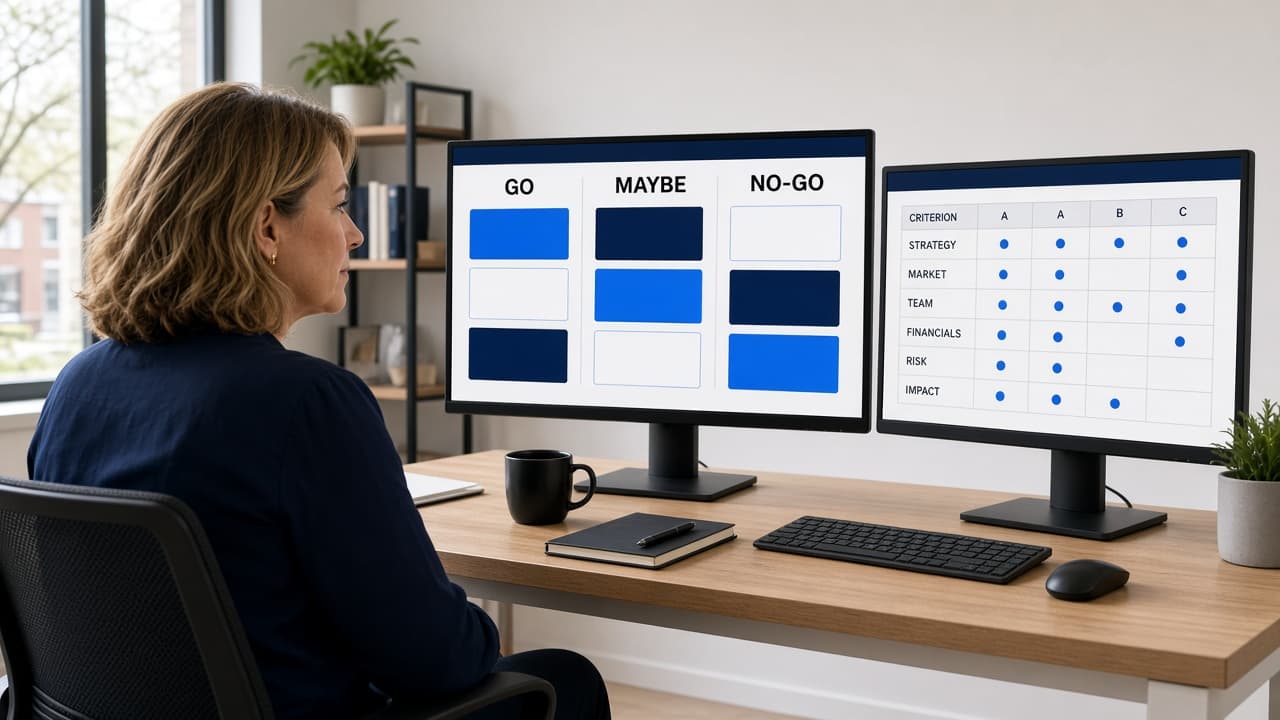
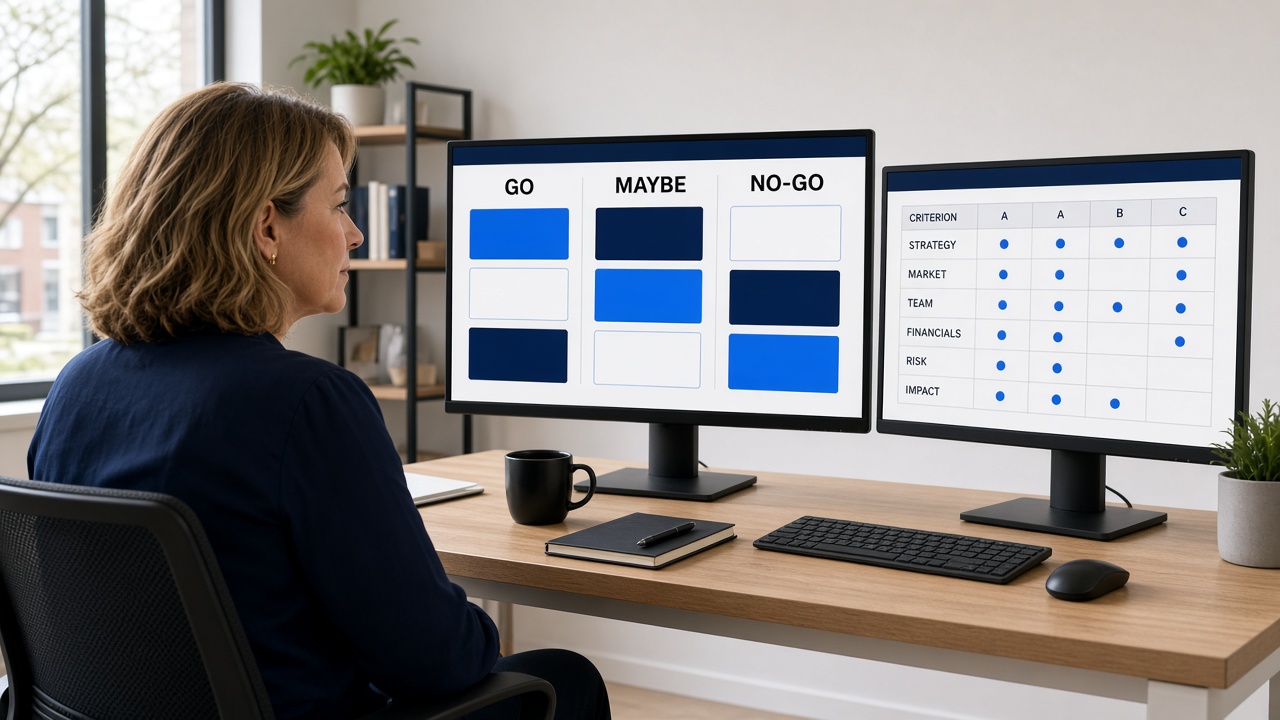
The math of modern early-stage venture is brutal. A typical seed partner sees 50–100 deals a quarter, takes meetings with maybe 30, and writes 1–2 checks. Traditional bespoke DD on every promising deal is mathematically impossible. The funds that consistently outperform aren't doing more work per deal — they're running structured batch diligence that lets them compare deals on the same axes. This article is the workflow that makes that possible.
50–100
Deals reviewed / quarter
5×
More deals than traditional
+30%
Better follow-on rate
4 stages
In the workflow
Why bespoke DD broke
The traditional model — where a partner spends 40+ hours per deal on bespoke diligence — was designed for an era where a fund saw 30 deals a year. In 2026 a small partner sees that in a month. Two problems compound:
- Selection bias. When you only do deep DD on the deals that already excited you, you confirm rather than test. The deals you didn't look at carefully might have been better.
- Comparability. If deal A got a market analysis, deal B got a team analysis, and deal C got a competitive analysis, you can't actually compare them. You're picking with vibes.
"The decision isn't about whether this one deal is good. It's about whether this deal is better than the other 47 you saw this quarter — and you can't answer that if every diligence is bespoke."
The 4-stage batch workflow
| Stage | Time per deal | Pass rate | Goal |
|---|---|---|---|
| 1 · Screen | 5 min | ~20% | Hard filters & thesis fit |
| 2 · Score | 30 min | ~30% | Same 6-category structured scorecard |
| 3 · Compare | batch · weekly | ~30% | Side-by-side ranking against the cohort |
| 4 · Deep dive | 8–15 hrs | ~40% | Founder calls, references, IC memo |
Stage 1 · Screen (5 min per deal)
Hard filters first. Stage match? Geography? Sector thesis? Founder profile? You'll kill ~80% here. Don't apologize for it — selection is what funds do.
Stage 2 · Score (30 min per deal)
The unlock. Every surviving deal gets the same 6-category scorecard: market, team, product, traction, financials, risks. Same categories, same weights, same questions. Output is a number, not a feeling.
Stage 3 · Compare (the weekly ritual)
Batch the scored deals. Sit them side-by-side. Rank them. Most partners discover their gut-favorite isn't the highest-scored deal — and the deal they'd dismissed is actually a top-three candidate. This is where structured DD pays back.
Stage 4 · Deep dive (only on top 30%)
Founder reference calls, customer conversations, technical architecture review, full IC memo. The only deals that get this level of attention are the ones that beat the cohort score. You're not skipping rigor — you're applying it where it earns its cost.
The 6-category scorecard you can apply at scale
Market (25%)
Bottom-up TAM, timing trigger, displacement risk.
Team (30%)
Founder–market fit, prior shipped work, team chemistry.
Product (20%)
Wedge sharpness, technical defensibility, roadmap discipline.
Traction (15%)
Real revenue, retention curve, organic vs paid.
Financials (5%)
Burn, runway, sanity-check unit economics.
Risks (5%)
Legal, regulatory, key-person, data residency.
What batch DD doesn't do
It doesn't replace founder reference calls. Stage 4 still demands the human conversations. The structure scales the rest.
It doesn't replace partnership debate. The scorecard is input to the IC, not output from it.
It doesn't work without consistency. Same scorecard on every deal, or you're back to vibes.
Run batch diligence at scale
Score 50 deals on the same axes — compare them in one workspace.
NexTraction's investor workspace gives partners the 6-category scorecard, side-by-side deal comparison, and structured deal memos generated from the underlying analysis. Most funds save 60%+ of partner-hours per quarter and report better follow-on outcomes within 2 cohorts.
FAQ
How do we onboard our junior associates to a batch process?
Start them at Stage 2 (Score). It's the fastest way to get them seeing pattern across deals. Stage 4 deep-dives come later, once they've calibrated on 30+ scored deals.
Can the same scorecard work for pre-seed and Series A?
Same categories, different weights. Pre-seed leans heavier on Team and Market (60% combined); Series A shifts toward Traction and Financials. Stage your scorecard.
What about deals where the founder won't share data for batch screening?
That's a signal. Founders confident in their numbers share them. Founders who hedge often have something they don't want compared.
Conclusion
Batch diligence isn't laziness — it's the only way to apply rigor at the volume modern partners actually face. The funds that adopt it don't lose depth; they reclaim partner hours for the deals that actually deserve them. See the investor workspace or book a fund demo if you want to see the workflow applied to your live deal flow.